Discover Home Chemistry Essentials for Beginners in 2026
As we step into 2026, the world of home chemistry is more accessible and exciting than ever. Whether you are a curious novice or an aspiring scientist, the essentials of home chemistry can provide you with the tools to explore chemical reactions, understand the properties of various substances, and engage in safe and educational experiments right in your kitchen or garage. This article will delve into the must-have equipment, safety precautions, and foundational knowledge necessary for anyone looking to embark on their chemistry journey.
Essential Equipment for Home Chemistry
The first step in establishing your home chemistry lab is acquiring the right equipment. While you do not need to invest in high-end laboratory apparatus, there are several basic items that can significantly enhance your experience. Start with a set of glassware that includes beakers, test tubes, and flasks. These will allow you to mix, heat, and observe chemical reactions effectively.
Next, consider investing in a digital scale for precise measurements. Accurate dosing is crucial in chemistry, as even slight variations can lead to different outcomes. A set of measuring spoons and liquid measuring cups will also be beneficial for smaller quantities. Additionally, a sturdy set of safety goggles and gloves should be top priorities to ensure your safety while conducting experiments.
In terms of heating, a simple hot plate or Bunsen burner will suffice for most experiments. Make sure to have a heat-resistant mat to protect your work surface. Lastly, a pH meter or pH test strips will help you understand the acidity or alkalinity of your solutions, which is essential for many experiments.
People Also Look For:
- AQA GCSE 9-1 Chemistry Revision Cards: Ideal for the 2024 and 2025 exams (Collins GCSE Grade 9-1 Revision)
- AQA GCSE 9-1 Chemistry Grade Booster (Grades 3-9): For the 2020 Autumn & 2021 Summer Exams (Collins GCSE Grade 9-1 Revision)
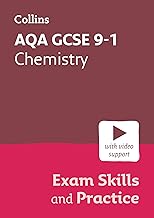
- AQA GCSE 9-1 Chemistry Exam Skills and Practice: Ideal for the 2026 and 2027 exams (Collins GCSE Grade 9-1 Revision)
- Science4you Chemistry Lab - Chemistry Set Science Kit for Kids age 7 8 9 10+ Create Safe & Fun Chemical Reactions Science Experime...
- Home Chemistry Projects
Common Chemicals for Home Experiments
For example, the classic reaction between vinegar and baking soda produces carbon dioxide gas, creating an exciting fizzing effect. This simple experiment can introduce fundamental concepts such as acid-base reactions and gas production. Hydrogen peroxide can be used in various experiments, including demonstrating the decomposition reaction when combined with yeast or baking soda.
A few other safe chemicals to consider include citric acid, Epsom salt, and food colouring. These can be mixed and matched to create colourful and visually appealing experiments, helping to maintain your interest and enthusiasm as you learn. Always remember to label your chemicals clearly and store them safely, especially if you have children at home.
Safety Precautions in Home Chemistry
Safety should always be your primary concern when conducting home chemistry experiments. Even with common household chemicals, it is essential to understand the potential hazards and take appropriate precautions. Always conduct experiments in a well-ventilated area to minimise the risk of inhaling fumes. If you are using any chemicals that could produce harmful vapours, consider wearing a mask for additional protection.
Ensure you have a first aid kit readily available and know the proper procedures for dealing with spills or accidents. Familiarise yourself with the Material Safety Data Sheets (MSDS) for each chemical you use, as these provide vital information regarding hazards, handling, and first aid measures. Additionally, avoid wearing loose clothing that could catch fire or become contaminated during experiments.
Engaging in home chemistry is an enriching experience that can spark a lifelong interest in science. By following these guidelines and acquiring the essential tools, you will be well-prepared to dive into the fascinating world of chemical reactions, exploration, and discovery. As you continue to develop your skills, you will find an abundance of resources available, from online tutorials to community science groups, to further your understanding and share your experiences with like-minded individuals.